Every air conditioning installation is unique and is based on the size of the home or business and it’s needs. However, air conditioners all have essentially the same parts and often suffer the same fates. Let’s take a look at just a few of the most common air conditioner repair in Manasquan calls that local professionals receive.
What Can Go Wrong with an Air Conditioner?
It might be better to ask what can’t go wrong with an air conditioner. There are hundreds of moving parts that involve electrical, plumbing, and engineering work. An easy answer is that anything can go wrong with your A/C. Belts can fail, bearings wear out, and just about any part within the machine can break.
Air Conditioner Repair in Manasquan Can be as Simple as Replacing Fuses
Fuses found in an air conditioner are there in order to prevent the system from being overloaded with too much amperage. If your condenser is not functioning, a blow fuse is a possible cause. Most homeowners are not comfortable with looking at, investigating, or replacing a bad fuse. This is why letting the professionals deal with air conditioner repair in Manasquan is important. Electrical work is dangerous and should only be done under appropriate supervision or by a professional.
A Dirty Air Filter can Bring Your System to a Halt
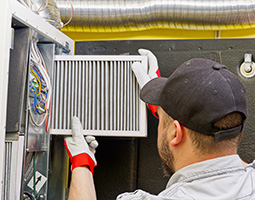
One of the most common, easily fixed air conditioner repairs is a dirty air filter. Didn’t know your furnace had an air filter? Better go check it! Reduced air flow that results from a blocked and dirty air filter can bring your entire system to full stop. Not sure where to find your filter, how to change it, or what filter is right? Contact a local HVAC company for more information.
Condensation Drain is Full
Although it is recommended to clear out this drain every few months especially during heavy usage months, it is imperative to do it prior to turning on your air for the summer at the very least. To do this, locate your condensation drain when your air conditioner is switched off. This is usually a pvc pipe that exits your house and drains outside. There should be a T-joint or another access point inside by your furnace. Into this pipe, pour ¼ cup of vinegar. Vinegar will kill any mold or mildew without causing corrosion or ruining your clothes or property by using bleach. Have someone watch the exit to the pipe and make sure clean water is able to flow freely after the cleaning.
An Air Conditioner Can’t Work Without a Working Fan
Just as a blocked filter can halt the distribution of cool air throughout your home, a broken fan will do the same. Without the ability to draw air into the system, it can’t treat or transport air. The fan is located in the condenser outside so it is subject to additional wear and tear as compared to indoor parts. Although it is made to be outside, extreme weather can still cause damages.
Call for Air Conditioner Repair if You Suspect a Refrigerant Leak
Air flow is a crucial part of a working air conditioner, but refrigerant is what actually cools the air. Without it, you don’t have a/c. Each air conditioner has its own specifications for what the refrigerant charge should be. Ensuring the refrigerant matches the manufacturer recommendations is imperative to an air conditioner running efficiently. If your air conditioner is low on refrigerant, simply filling it back up will probably not solve your problem. A refrigerant leak is a dangerous issue and should be addressed by an expert.
When to Call for Air Conditioner Repair in Manasquan

We don’t need to tell you that if you turn your air conditioner on and you don’t get cool air, you should probably call for air conditioner repair in Manasquan. But the signs aren’t always so clear. Other red flags of an air conditioner in need of assistance are strange smells, weird sounds, and general inefficiency. The smells and sounds are pretty obvious and easy to notice. If you don’t keep a close eye on your energy bills every month, you might miss the warning sign that your a/c is not working well. Rising expenses with no change in your routine means your air conditioner is working harder than it should. If the a/c constantly cycles on and off and is unable to attain the temperature set on the thermostat, call for air conditioner repair in Manasquan.
Shore-Town Repair Calls: Capacitors, Salt Air, and Storm Damage
Living a few blocks from the ocean is one of the best things about Manasquan. It’s also one of the hardest things on an outdoor condenser. Some of the most common calls for air conditioner repair in Manasquan come from conditions that inland homeowners rarely deal with.
Worn Capacitors and Contactors
The capacitor gives the compressor and outdoor motor the jolt of energy they need to start, and then helps keep them running. Weeks of summer heat wear capacitors down over time. When one gets weak, you may hear the outdoor unit humming without starting, or see it try to start and then give up. The contactor is the switch that tells the outdoor unit to turn on. Its contact points can become pitted or burned after years of use. A failing contactor can keep the unit from starting at all, or keep it running after the house has cooled. Both parts are fairly inexpensive. But a bad capacitor makes the compressor work much harder to start, and a worn-out compressor is one of the most expensive repairs a homeowner can face. Both parts also hold an electrical charge and should only be tested and replaced by a trained technician.
Salt Air Corrosion
Salty ocean air settles on everything near the coast, including the thin metal fins and copper lines of your condenser coil. Over time that salt eats away at the coil and the electrical connections inside the cabinet. The fins may look flaky or white and chalky, and connections can loosen or fail. Badly corroded coils can’t release heat well and eventually develop leaks. A technician can check how far the corrosion has gone, clean the coil properly, and tell you whether protective coatings or a coastal-rated replacement makes sense for your home.
Storm and Surge Damage
Summer thunderstorms and tropical systems hit the Jersey Shore every year. Lightning strikes and power coming back on in surges can damage capacitors, control boards, and compressors in an instant. That’s why “it worked fine before the storm” is a common thing to hear on a repair call. Flooding is even more serious. If floodwater has reached your outdoor unit, don’t turn it back on until a professional inspects it. Running water-damaged electrical parts can cause much bigger damage, and it’s a safety hazard. A surge protector made for HVAC equipment is a small investment that can keep a passing storm from turning into a major air conditioner repair in Manasquan.